Revolutionizing Urban Farming with Sustainable AgriTech Solutions

Urban farming is not just a trend; it is a necessity. As cities grow, the demand for fresh produce increases. However, traditional farming methods often struggle to meet this demand in urban settings. This is where sustainable AgriTech solutions come into play. They offer innovative ways to grow food in cities while minimizing environmental impact.
In this blog post, we will explore how these technologies are transforming urban farming. We will look at various sustainable practices, the role of technology, and real-world examples of successful urban farms.
The Need for Urban Farming
Urban areas are home to more than half of the world's population. This number is expected to rise in the coming years. With this growth comes the challenge of food security. Many urban residents live in food deserts, where access to fresh produce is limited.
Urban farming addresses this issue by bringing food production closer to consumers. It reduces transportation costs and carbon emissions. Moreover, it promotes community engagement and education about food sources.
What is Sustainable AgriTech?
Sustainable AgriTech refers to the use of technology to improve agricultural practices while ensuring environmental sustainability. This includes methods that conserve resources, reduce waste, and promote biodiversity.
Some key components of sustainable AgriTech include:
Hydroponics: Growing plants in nutrient-rich water instead of soil.
Vertical Farming: Stacking layers of crops in controlled environments to maximize space.
Smart Irrigation: Using sensors and data analytics to optimize water usage.
These technologies not only increase efficiency but also reduce the ecological footprint of farming.
Benefits of Sustainable Urban Farming
Sustainable urban farming offers numerous benefits. Here are some of the most significant advantages:
Fresh Produce: Urban farms provide fresh fruits and vegetables to local communities, improving access to healthy food.
Reduced Carbon Footprint: By growing food locally, transportation emissions are significantly lowered.
Community Engagement: Urban farms often involve local residents, fostering a sense of community and shared responsibility.
Biodiversity: These farms can support a variety of plants and wildlife, contributing to urban ecosystems.
Education: Urban farms serve as educational platforms, teaching people about sustainable practices and healthy eating.
Innovative Technologies in Urban Farming
Several innovative technologies are making waves in urban farming. Here are a few notable examples:
Hydroponics
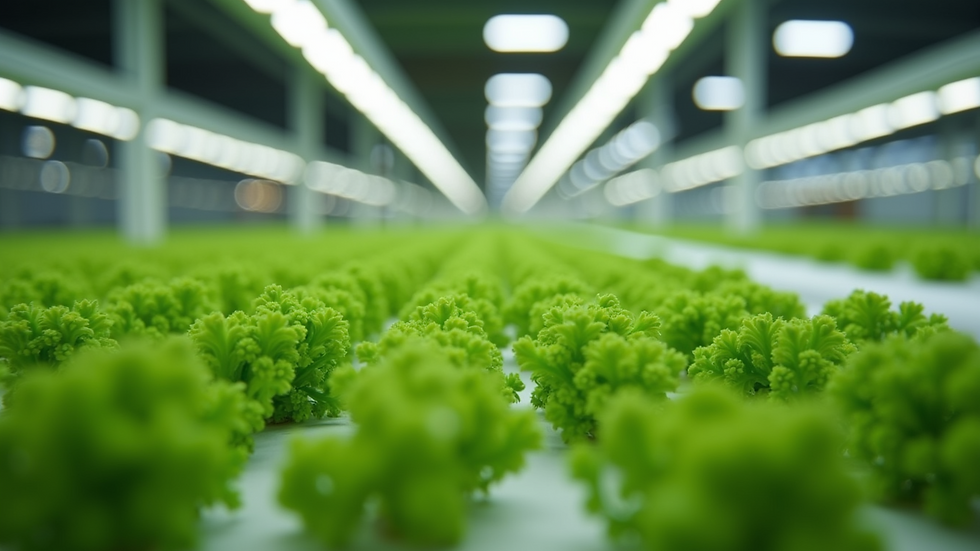
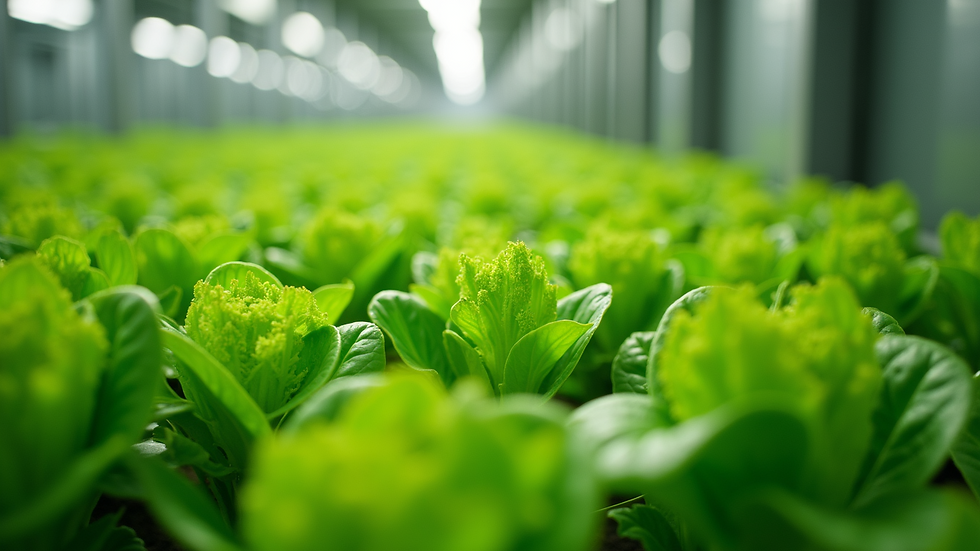
Hydroponics is a method of growing plants without soil. Instead, plants are grown in a nutrient-rich water solution. This method uses less water than traditional farming and allows for year-round production.
For instance, AeroFarms in Newark, New Jersey, utilizes aeroponic technology to grow leafy greens. Their system uses 95% less water than conventional farming and produces crops in a fraction of the time.
Vertical Farming
Vertical farming involves stacking layers of crops in a controlled environment. This method maximizes space and can be implemented in urban settings where land is scarce.
Sky Greens in Singapore is a prime example. They use a vertical farming system that rotates plants to ensure they receive adequate sunlight. This innovative approach allows them to produce fresh vegetables in a limited space.
Smart Irrigation Systems
Smart irrigation systems use sensors and data analytics to optimize water usage. These systems can monitor soil moisture levels and weather conditions to determine the best times to water crops.
CropX is a company that offers soil sensing technology. Their sensors provide real-time data to farmers, helping them make informed decisions about irrigation. This not only conserves water but also improves crop yields.
Real-World Examples of Urban Farms
Urban farms are popping up in cities around the world. Here are a few inspiring examples:
Brooklyn Grange
Located in New York City, Brooklyn Grange operates the largest rooftop soil farm in the United States. They grow a variety of vegetables and herbs while also offering educational programs and community events. Their commitment to sustainability is evident in their practices, which include composting and rainwater harvesting.
The Plant
In Chicago, The Plant is a unique urban farm that focuses on sustainability and circular economy principles. This former meatpacking plant has been transformed into a vertical farm, brewery, and food business incubator. They utilize waste heat and water from their operations to grow food, creating a closed-loop system.
Urban Roots
Urban Roots in Austin, Texas, is a nonprofit organization that teaches young people about sustainable farming. They operate a 3.5-acre urban farm that produces fresh produce for local markets. Their programs empower youth and promote healthy eating in the community.
Challenges Facing Urban Farming
While urban farming has many benefits, it also faces challenges. Here are some common obstacles:
Space Limitations: Urban areas often have limited space for farming, making it difficult to scale operations.
Regulatory Hurdles: Zoning laws and regulations can restrict urban farming activities.
Funding: Many urban farms struggle to secure funding for their operations and expansion.
Community Support: Gaining support from local communities can be challenging, especially in areas where residents are unfamiliar with farming practices.
The Future of Urban Farming
The future of urban farming looks promising. As technology continues to advance, we can expect to see even more innovative solutions.
Integration with Smart Cities: Urban farms can be integrated into smart city initiatives, using data and technology to optimize food production.
Increased Collaboration: Partnerships between urban farms, local governments, and businesses can lead to more sustainable practices and greater community support.
Focus on Education: As awareness of food systems grows, urban farms will play a crucial role in educating the public about sustainability and healthy eating.
Final Thoughts
Urban farming is revolutionizing the way we think about food production in cities. With the help of sustainable AgriTech solutions, we can create a more resilient and sustainable food system.
By embracing innovative technologies and practices, urban farms can provide fresh produce, engage communities, and contribute to a healthier planet. The journey toward sustainable urban farming is just beginning, and the possibilities are endless.

Comments