Eco-Friendly Innovations for Urban Farms: AgriTech Solutions Spotlight

Urban farming is on the rise, and with it comes a wave of innovative technologies designed to make farming in cities more sustainable. As cities grow, the need for fresh, local produce becomes more pressing. Fortunately, AgriTech solutions are stepping up to meet this challenge. In this blog post, we will explore some of the most exciting eco-friendly innovations that are transforming urban farms.
Urban farms are not just about growing food; they are about creating a sustainable future. These farms can help reduce carbon footprints, improve air quality, and provide fresh produce to communities. With the help of technology, urban farming is becoming more efficient and environmentally friendly.
Vertical Farming: A New Way to Grow
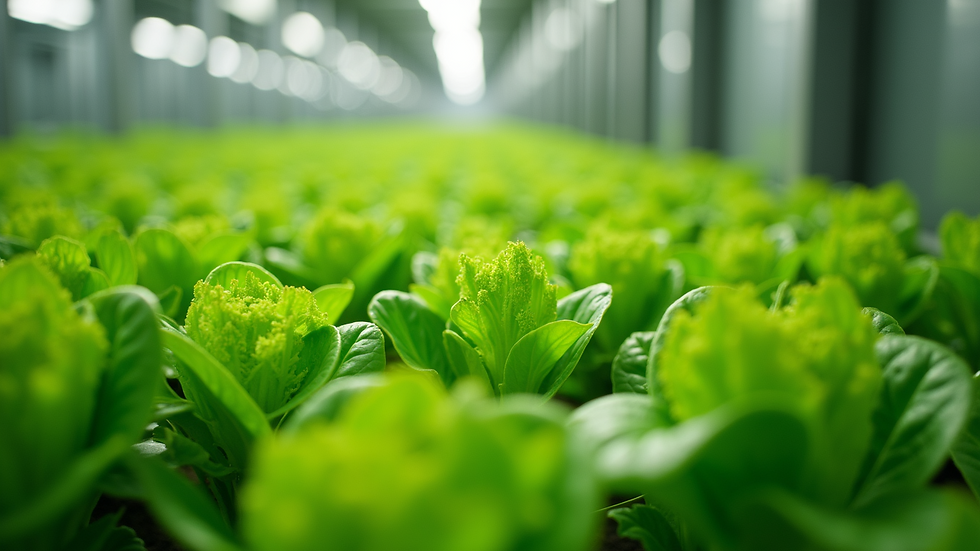
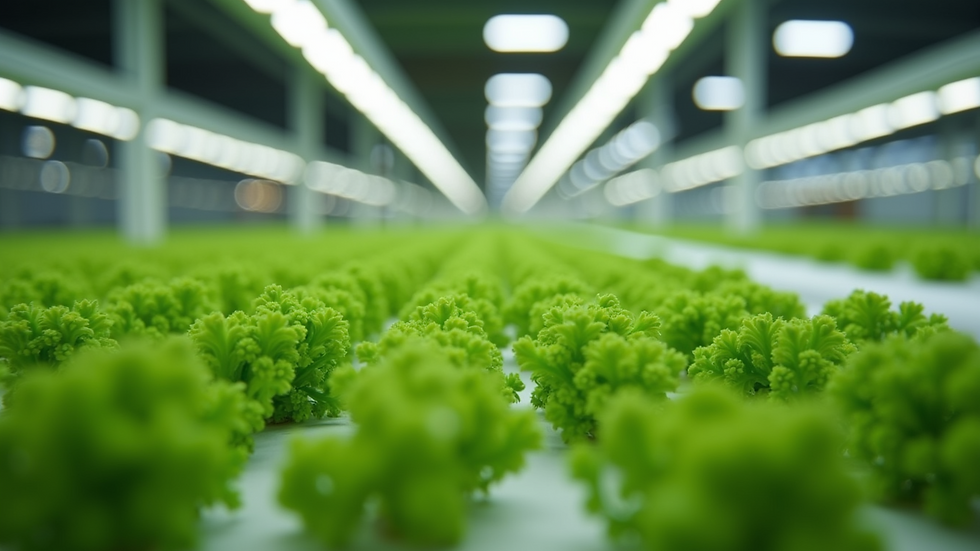
Vertical farming is one of the most exciting innovations in urban agriculture. This method involves growing crops in stacked layers, often in controlled environments. By utilizing vertical space, urban farms can produce more food in less area.
Benefits of Vertical Farming
Space Efficiency: Vertical farms can be set up in warehouses, rooftops, or even shipping containers. This makes them ideal for cities where space is limited.
Reduced Water Usage: Many vertical farms use hydroponics or aeroponics, which require significantly less water than traditional farming methods.
Year-Round Production: With controlled environments, crops can be grown year-round, regardless of the weather outside.
Example of Vertical Farming
One notable example is AeroFarms, based in Newark, New Jersey. They use aeroponic technology to grow leafy greens without soil. Their system uses 95% less water than traditional farming and produces crops in a fraction of the time.
Hydroponics: Growing Without Soil
Hydroponics is another innovative method that allows plants to grow without soil. Instead, plants are grown in nutrient-rich water. This method is gaining popularity in urban settings due to its efficiency and sustainability.
Advantages of Hydroponics
Faster Growth: Plants grown hydroponically can grow up to 50% faster than those grown in soil.
Less Pesticide Use: Because the environment is controlled, there is less need for pesticides, making the produce healthier.
Space Saving: Hydroponic systems can be set up in small spaces, making them perfect for urban environments.
Example of Hydroponics
Urban Cultivator is a company that provides hydroponic systems for home and commercial use. Their systems allow users to grow fresh herbs and vegetables indoors, making it easy to access fresh produce year-round.
Aquaponics: A Symbiotic Relationship
Aquaponics combines aquaculture (raising fish) with hydroponics. In this system, fish waste provides nutrients for the plants, while the plants help filter and clean the water for the fish. This creates a sustainable ecosystem that benefits both plants and fish.
Benefits of Aquaponics
Sustainable Food Production: Aquaponics systems can produce both fish and vegetables, providing a complete food source.
Water Conservation: This method uses about 90% less water than traditional farming.
Natural Pest Control: The fish can help control pests, reducing the need for chemical pesticides.
Example of Aquaponics
The Aquaponic Source is a company that offers aquaponics systems for home and commercial use. They provide resources and support for those looking to start their own aquaponic farms.
Smart Farming: Technology Meets Agriculture
Smart farming uses technology to improve agricultural practices. This includes the use of sensors, drones, and data analytics to monitor and manage crops more effectively.
Advantages of Smart Farming
Precision Agriculture: Sensors can monitor soil moisture, temperature, and nutrient levels, allowing farmers to make data-driven decisions.
Increased Yields: By optimizing conditions for crops, smart farming can lead to higher yields and better quality produce.
Resource Management: Smart farming helps reduce waste and conserve resources, making farming more sustainable.
Example of Smart Farming
CropX is a company that provides soil sensors to help farmers monitor their fields. Their technology allows farmers to optimize irrigation and fertilization, leading to more efficient farming practices.
Renewable Energy in Urban Farms
Many urban farms are turning to renewable energy sources to power their operations. Solar panels, wind turbines, and bioenergy systems are becoming common sights in urban agriculture.
Benefits of Renewable Energy
Lower Energy Costs: By generating their own energy, urban farms can reduce their operating costs.
Reduced Carbon Footprint: Using renewable energy helps decrease greenhouse gas emissions.
Energy Independence: Urban farms can become less reliant on traditional energy sources, making them more resilient.
Example of Renewable Energy in Urban Farms
Brooklyn Grange is an urban farm that has installed solar panels on its rooftops. This allows them to power their operations sustainably while providing fresh produce to the community.
Community Engagement and Education
Urban farms are not just about growing food; they also play a vital role in community engagement and education. Many urban farms offer workshops, tours, and volunteer opportunities to educate the public about sustainable farming practices.
Benefits of Community Engagement
Building Awareness: Urban farms help raise awareness about food systems and sustainability.
Fostering Community: These farms create spaces for people to come together, learn, and share their passion for food and farming.
Encouraging Healthy Eating: By providing access to fresh produce, urban farms promote healthier eating habits in their communities.
Example of Community Engagement
The Edible Schoolyard is a program that integrates gardening and cooking into school curriculums. This initiative teaches children about where their food comes from and encourages them to make healthier food choices.
The Future of Urban Farming
As cities continue to grow, the importance of urban farming will only increase. With the help of innovative AgriTech solutions, urban farms can become more efficient, sustainable, and community-focused.
Key Trends to Watch
Increased Automation: More urban farms will adopt automation technologies to streamline operations and reduce labor costs.
Integration of AI: Artificial intelligence will play a larger role in monitoring crops and predicting yields.
Focus on Local Food Systems: As consumers become more aware of the benefits of local food, urban farms will continue to thrive.
Final Thoughts
Urban farming is a vital part of creating sustainable cities. With the help of innovative technologies, urban farms can provide fresh produce, reduce environmental impact, and engage communities. As we look to the future, it is clear that AgriTech solutions will play a crucial role in shaping the next generation of urban agriculture.
By embracing these eco-friendly innovations, we can work towards a healthier planet and a more sustainable food system. The journey of urban farming is just beginning, and the possibilities are endless. Let's continue to support and explore these exciting developments in AgriTech.

Comments