Join the Green Movement: AgriTech Solutions for Sustainable Farming

In recent years, the world has seen a growing awareness of the need for sustainable practices in agriculture. As the global population continues to rise, the demand for food increases, putting pressure on our natural resources. This is where AgriTech comes into play. AgriTech solutions are revolutionizing the way we farm, making it possible to produce more food while using fewer resources.
In this blog post, we will explore various AgriTech solutions that are paving the way for sustainable farming. We will discuss how these technologies work, their benefits, and real-world examples of their implementation.
Understanding AgriTech
AgriTech, or agricultural technology, refers to the use of technology in agriculture to improve yield, efficiency, and sustainability. This can include everything from drones and sensors to advanced data analytics and biotechnology.
The goal of AgriTech is to create a more efficient farming system that minimizes waste and maximizes productivity. By integrating technology into farming practices, we can address some of the most pressing challenges in agriculture today.
The Importance of Sustainable Farming
Sustainable farming is essential for several reasons:
Resource Conservation: Sustainable practices help conserve water, soil, and energy. This is crucial as these resources are finite and under increasing pressure.
Biodiversity: Sustainable farming promotes biodiversity, which is vital for ecosystem health. Diverse ecosystems are more resilient to pests and diseases.
Climate Change Mitigation: Agriculture is a significant contributor to greenhouse gas emissions. Sustainable practices can help reduce these emissions and combat climate change.
Food Security: As the population grows, sustainable farming ensures that we can produce enough food without depleting our natural resources.
Precision Agriculture
One of the most exciting developments in AgriTech is precision agriculture. This approach uses technology to monitor and manage field variability in crops.
How It Works
Precision agriculture employs tools like GPS, sensors, and drones to collect data on soil conditions, crop health, and weather patterns. This data allows farmers to make informed decisions about planting, watering, and fertilizing.
Benefits
Increased Efficiency: Farmers can apply water and fertilizers only where needed, reducing waste and costs.
Higher Yields: By understanding the specific needs of different areas of a field, farmers can optimize their yields.
Environmental Protection: Precision agriculture minimizes the use of chemicals, reducing runoff and protecting local ecosystems.
Real-World Example
A great example of precision agriculture is the use of drones in vineyards. Drones can capture high-resolution images of the fields, allowing farmers to identify areas that need attention. This targeted approach leads to healthier crops and better wine quality.
Vertical Farming
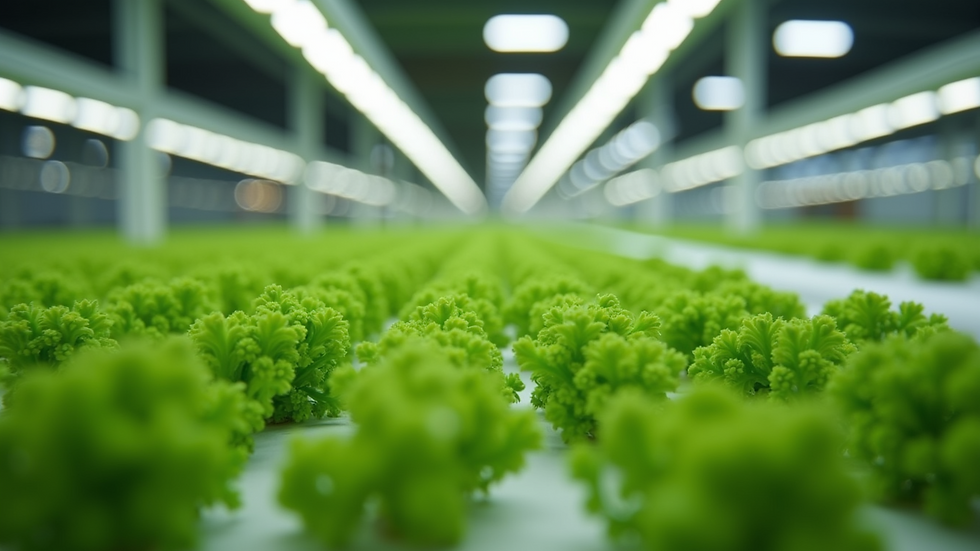
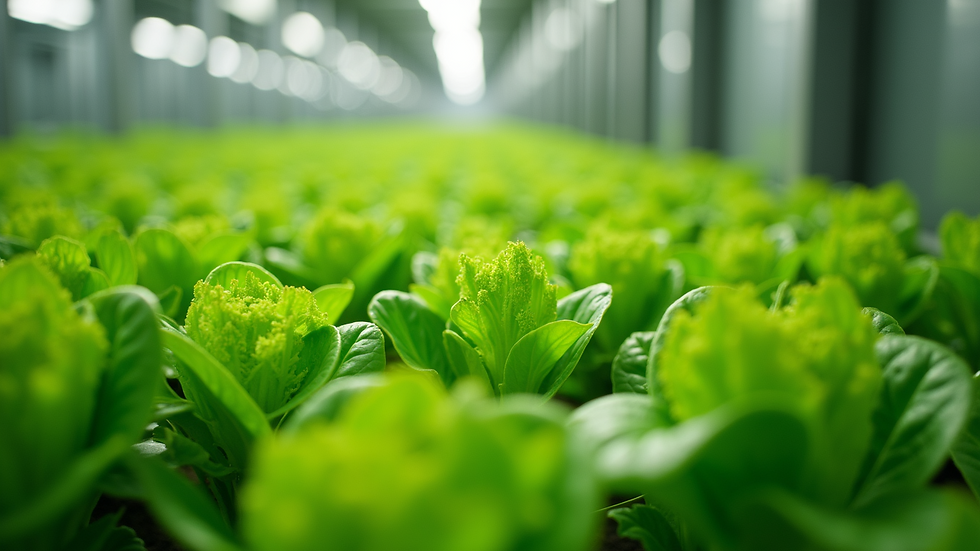
Vertical farming is another innovative AgriTech solution that is gaining popularity. This method involves growing crops in stacked layers, often in controlled indoor environments.
How It Works
Vertical farms use hydroponics or aeroponics to grow plants without soil. LED lights provide the necessary light for photosynthesis, and climate control systems maintain optimal growing conditions.
Benefits
Space Efficiency: Vertical farms can be set up in urban areas, reducing the need for transportation and making fresh produce more accessible.
Water Conservation: These systems use up to 90% less water than traditional farming methods.
Year-Round Production: Controlled environments allow for continuous crop production, regardless of weather conditions.
Real-World Example
One notable vertical farm is AeroFarms, located in Newark, New Jersey. They use aeroponic technology to grow leafy greens and herbs. Their system uses 95% less water than traditional farming and produces crops in a fraction of the time.
Smart Irrigation Systems
Water scarcity is a significant challenge in agriculture. Smart irrigation systems are designed to optimize water usage, ensuring that crops receive the right amount of water at the right time.
How It Works
These systems use sensors to monitor soil moisture levels and weather conditions. Based on this data, they automatically adjust the amount of water delivered to the crops.
Benefits
Water Savings: Smart irrigation can reduce water usage by up to 50%, making it a sustainable choice for farmers.
Improved Crop Health: By providing consistent moisture levels, these systems help prevent overwatering and underwatering, leading to healthier plants.
Real-World Example
The company CropX offers a smart irrigation solution that uses soil sensors to provide real-time data to farmers. This technology has been shown to increase yields while significantly reducing water usage.
Biopesticides and Biofertilizers
The use of chemicals in farming has raised concerns about health and environmental impacts. Biopesticides and biofertilizers offer a more sustainable alternative.
How They Work
Biopesticides are derived from natural materials, such as plants, bacteria, and minerals. They target specific pests without harming beneficial insects. Biofertilizers, on the other hand, enhance soil fertility using natural organisms.
Benefits
Reduced Chemical Use: These products minimize the reliance on synthetic chemicals, promoting a healthier ecosystem.
Soil Health: Biofertilizers improve soil structure and nutrient content, leading to better crop growth.
Real-World Example
One successful biopesticide is Bacillus thuringiensis (Bt), a bacterium that is effective against certain pests. Farmers using Bt have reported significant reductions in pest populations without harming beneficial insects.
The Role of Data Analytics
Data analytics plays a crucial role in modern farming. By analyzing data from various sources, farmers can make better decisions and improve their operations.
How It Works
Farmers can collect data from sensors, drones, and weather forecasts. This data is then analyzed to identify trends and make predictions about crop performance.
Benefits
Informed Decision-Making: Data analytics helps farmers understand their fields better, leading to more effective management practices.
Risk Reduction: By predicting potential issues, farmers can take proactive measures to mitigate risks.
Real-World Example
Companies like Granular provide software that helps farmers analyze their operations. By using data analytics, farmers can optimize their inputs and increase profitability.
Community and Collaboration
The green movement in agriculture is not just about technology; it is also about community. Farmers, researchers, and consumers must work together to promote sustainable practices.
How It Works
Collaboration can take many forms, from local farmer cooperatives to partnerships with universities. Sharing knowledge and resources can lead to innovative solutions.
Benefits
Shared Knowledge: Farmers can learn from each other’s experiences and successes.
Stronger Networks: Building a community fosters support and encourages the adoption of sustainable practices.
Real-World Example
The Rodale Institute in Pennsylvania is a leader in organic farming research. They collaborate with farmers to share best practices and promote sustainable agriculture.
The Future of Sustainable Farming
As we look to the future, the potential for AgriTech solutions in sustainable farming is immense. With continued innovation and collaboration, we can create a more sustainable food system that benefits everyone.
Key Trends to Watch
Increased Automation: Robotics and automation will play a larger role in farming, reducing labor costs and increasing efficiency.
Enhanced Data Integration: As technology advances, the integration of data from various sources will become more seamless, providing farmers with comprehensive insights.
Focus on Regenerative Practices: There will be a growing emphasis on regenerative agriculture, which aims to restore soil health and biodiversity.
Embracing the Green Movement
The green movement in agriculture is not just a trend; it is a necessity. By embracing AgriTech solutions, we can create a more sustainable future for farming.
Farmers, consumers, and policymakers all have a role to play in this movement. By supporting sustainable practices and technologies, we can ensure that future generations have access to healthy food and a thriving planet.

As we move forward, let us remember that every small step counts. Whether you are a farmer looking to adopt new technologies or a consumer choosing to support sustainable products, your actions can make a difference. Together, we can join the green movement and pave the way for a more sustainable future in agriculture.
Comments